Overview
Polynucleotides are chains of building blocks found in the body, and in aesthetic medicine they are purified and prepared as a gel for injection. Plinest is used to support the skin's own repair processes and moisture balance. The aim is healthier, smoother-looking skin rather than a change in facial shape.
At Fiore in Jumeirah Lake Towers, your doctor will examine texture, tone and areas of concern, then plan where small amounts are placed. Plinest is often given as a short series of sessions, spaced a few weeks apart, with maintenance discussed afterwards. Dubai's sun, air conditioning and dry indoor air can all affect skin, so your doctor may also suggest a daily routine to support results. Responses vary between individuals.
Who it suits
- Dull or tired-looking skin
- Fine lines and early signs of ageing
- Dehydrated skin that lacks bounce
- Thin-looking skin on the face, neck or hands
- People wanting a subtle, natural-looking improvement
When it may not be suitable
- Pregnancy or breastfeeding
- Active skin infection or open lesions in the treatment area
- Known allergy to any product component
- Allergy to fish or fish-derived products, unless cleared by your doctor
- Active inflammatory skin conditions that have not been reviewed
What to expect
- ConsultationYour doctor reviews your skin, medical history and goals, and confirms whether Plinest is suitable.
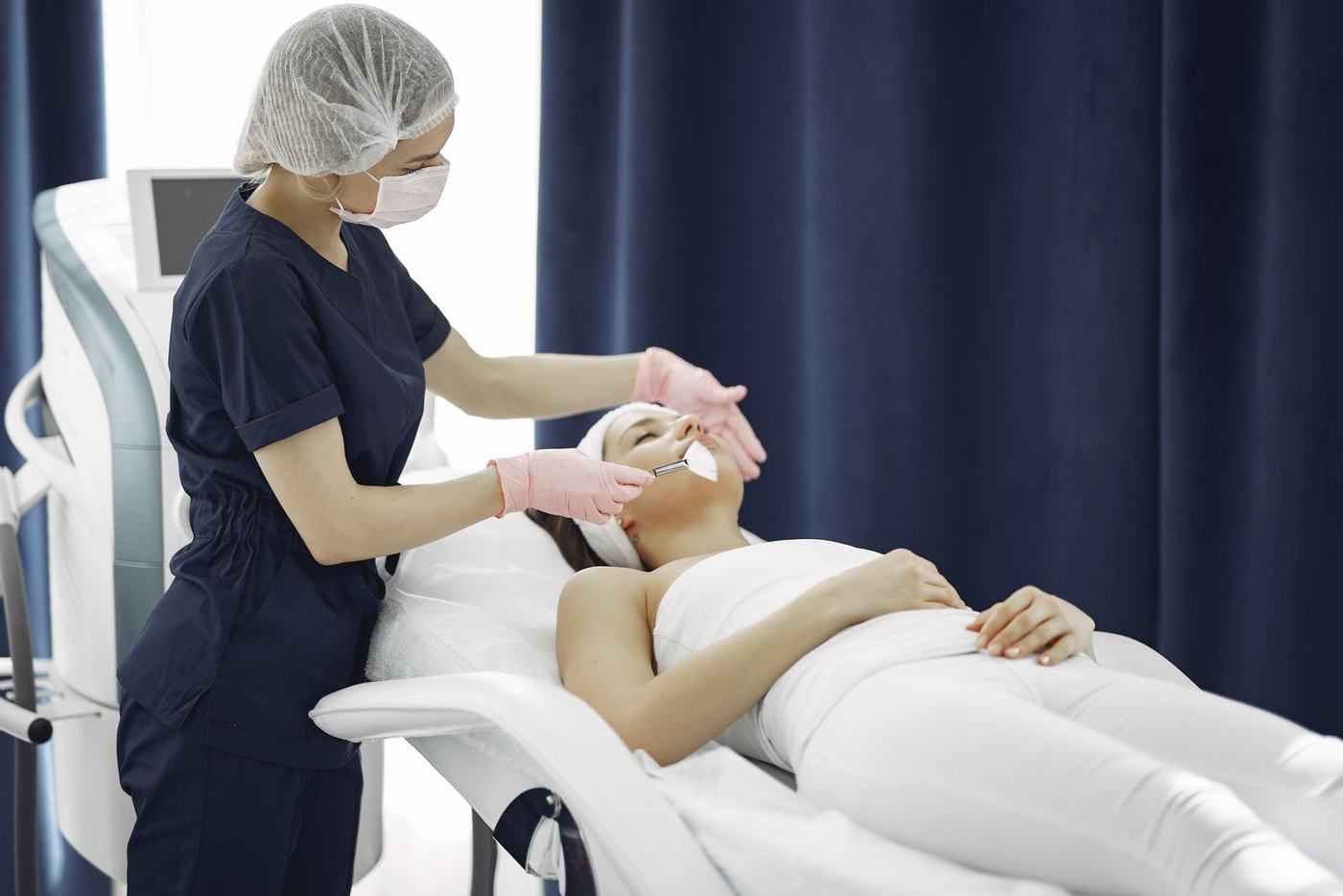
- PreparationThe skin is cleansed and a numbing cream may be applied.
- TreatmentTiny amounts are placed in the skin using fine needles or a micro-injection technique.
- SettlingSmall bumps usually settle within hours to a day. Your doctor reviews the area before you leave.
- PlanA course schedule and maintenance approach are discussed based on your response.
Quick facts
- Session time
- Typically 30 to 45 minutes
- Downtime
- Usually minimal; small bumps, redness or bruising may last a day or two
- Sessions
- Often a short course of sessions spaced a few weeks apart
- Results
- Gradual improvement in skin quality over weeks; varies by person
- Anaesthesia
- Topical numbing cream
Possible risks and side effects
- Redness, swelling or small bumps at injection points
- Bruising
- Tenderness or itching
- Temporary uneven appearance while it settles
- Rarely, infection or an allergic reaction
Aftercare
- Avoid makeup for several hours, or as your doctor advises
- Avoid intense exercise, saunas and steam for 24 to 48 hours
- Use daily broad-spectrum sunscreen
- Keep skin well hydrated and use a gentle routine
- Do not rub or massage the area unless advised
Plinest FAQs
What are polynucleotides?
Polynucleotides are long chains of nucleotides, the building blocks of DNA. In skin treatments they are purified into a gel and injected to support hydration and the skin's natural repair processes.
Is Plinest the same as a filler?
No. Fillers add volume or shape, while Plinest focuses on skin quality such as hydration and texture. It is considered a skin booster, and your doctor may combine approaches where appropriate.
Can Plinest be used under the eyes?
Specific Plinest products are designed for delicate areas, including the under-eye. Your doctor will judge whether this is suitable for you based on skin thickness and your concerns.
How many sessions might I need?
Many protocols use a short series, often around three sessions a few weeks apart, followed by maintenance. Your doctor will tailor the plan, and results vary between people.
When will I notice results?
Some people notice smoother, more hydrated skin within a few weeks, with improvement building across the course. Skin condition, age and lifestyle influence how quickly this happens.
Can I have Plinest with other treatments?
It is often combined with treatments such as HydraFacial or microneedling, but timing matters. Your doctor will sequence treatments sensibly so your skin has time to recover.
Who should avoid Plinest?
Those who are pregnant or breastfeeding, have an active infection in the area or have allergies to its components should avoid it. Your doctor will review your history before treatment.
Results vary between individuals. This page is general information, not medical advice. Suitability, risks and the plan are confirmed at your consultation at Fiore Medical Centre, JLT.