
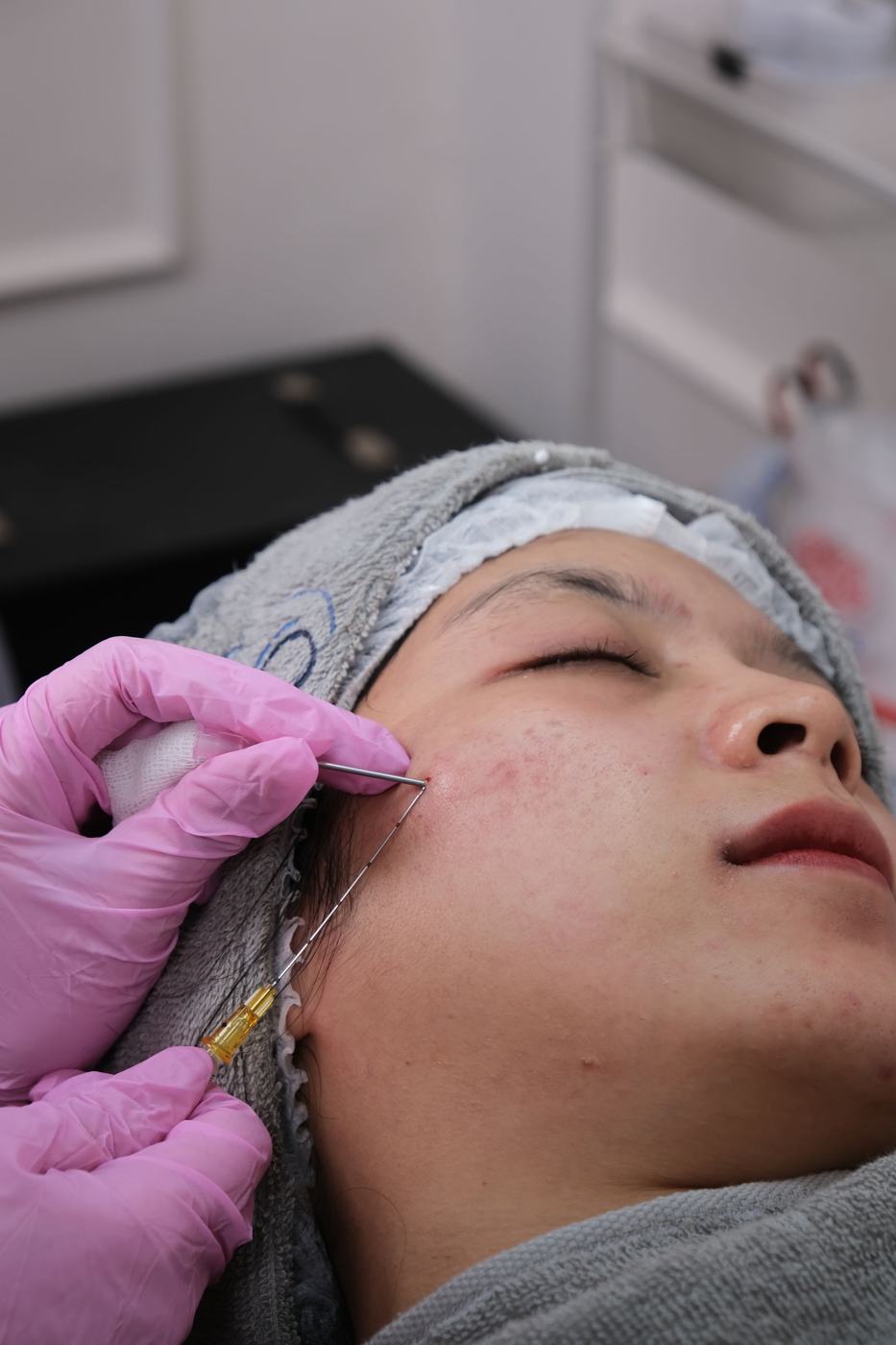
Overview
Melasma develops when pigment-producing cells become overactive, and it is influenced by hormones, ultraviolet light and visible light, and heat. Because it can sit at different depths in the skin, no single approach suits everyone. A careful assessment helps your clinician tell melasma apart from other types of pigmentation, such as sun spots or post-inflammatory marks, which are treated differently. Your clinician will explain what to expect at each stage so you can judge progress sensibly.
Treatment is usually gradual and gentle, because aggressive procedures can sometimes worsen pigmentation. Plans commonly combine prescription or medical-grade topicals, superficial peels, and carefully selected device or injectable options where appropriate. In Dubai, where strong sun is present most of the year, daily sun protection and shade are central. Expect improvement to be a managed process, not a one-off fix. Regular reviews let the plan be adjusted as your skin responds.
Who it suits
- Brown or grey-brown patches on the cheeks, forehead or upper lip
- Pigmentation that worsened after pregnancy or hormonal changes
- Patches that darken in strong sun
- People who want a medically supervised, gradual approach
- Those ready to commit to daily sun protection
When it may not be suitable
- Pregnancy or breastfeeding, for some medicated products
- Active skin infection or open wounds in the area
- Known allergy to prescribed ingredients
- Recent isotretinoin use, unless your doctor advises otherwise
- Unwillingness to avoid tanning and strong sun during the plan
What to expect
- ConsultationYour clinician examines the pigmentation, asks about hormones, medications and sun habits, and confirms the diagnosis.
- PlanA staged plan is agreed, often starting with topicals and sun protection before any procedure.
- In-clinic careWhere suitable, gentle peels or other treatments are performed at an appropriate strength.
- Home routineYou receive clear guidance on products, application and daily sun protection.
- ReviewsFollow-ups allow your clinician to track progress and adjust the plan as needed.
Quick facts
- Session time
- About 30 to 45 minutes for in-clinic visits
- Downtime
- Usually minimal, with mild peeling or redness possible
- Sessions
- Ongoing plan with reviews, as advised
- Results
- Gradual; melasma can recur, and results vary
- Anaesthesia
- Typically none needed
Possible risks and side effects
- Temporary redness, dryness or peeling
- Skin irritation from topical products
- Worsening of pigmentation if skin is inflamed or sun-exposed
- Post-inflammatory darkening in some skin types
- Recurrence after treatment, particularly with sun or hormones
- Rarely, allergic reaction to products
Aftercare
- Apply broad-spectrum sunscreen every morning and reapply outdoors
- Wear a hat or seek shade during strong sun
- Use only the products your clinician prescribes
- Avoid waxing, scrubs and harsh exfoliants on affected areas
- Keep follow-up appointments to adjust your plan
- Avoid tanning and prolonged heat exposure
Melasma Treatment FAQs
What causes melasma?
Melasma is linked to hormones, ultraviolet and visible light, and heat, and it often runs in families. Pregnancy and some hormonal medicines can trigger it. Your clinician will discuss likely triggers during your consultation.
Can melasma be removed completely?
Melasma is a long-term condition that can fade with care but may return. The aim is to lighten and manage it, and results vary between individuals. Consistent sun protection is the most important long-term habit.
Are lasers safe for melasma?
Some devices may be considered in selected cases, but strong heat or energy can worsen melasma in some people. Your clinician will assess your skin and may recommend gentler options first before any device.
How long does improvement take?
Improvement is typically gradual, often over several weeks to months. Pigment can fade slowly, and progress varies. Regular reviews help your clinician adjust the plan so it keeps suiting your skin.
Why does melasma come back?
Triggers such as sun, heat and hormonal changes can reactivate pigment cells even after improvement. That is why maintenance, sunscreen and sometimes ongoing topicals are part of a long-term plan.
Do I need to avoid the sun in Dubai?
You do not need to stay indoors, but sun protection is essential. Use broad-spectrum sunscreen daily, reapply, wear a hat and seek shade at midday. Tinted sunscreens can help with visible light.
Is it safe during pregnancy?
Melasma often appears during pregnancy, but several effective ingredients are not suitable then. Your clinician will recommend only pregnancy-safe options, typically focusing on sun protection and gentle care until it is appropriate to treat further.
Results vary between individuals. This page is general information, not medical advice. Suitability, risks and the plan are confirmed at your consultation at Fiore Medical Centre, JLT.