
Overview
Acne has several contributing factors, including oil production, blocked pores, bacteria, inflammation and hormones. Because causes differ, there is no single approach that works for everyone. Your doctor may suggest prescription topical products, medicines, or in-clinic options such as peels, facials or light-based and device treatments. A plan is built around your skin type, severity and lifestyle, and reviewed as your skin responds.
Heat, humidity, sweating, face masks and certain cosmetics can aggravate breakouts in Dubai, so skincare and habits are part of the discussion. Improvement usually takes weeks rather than days, and consistency matters. Acne marks and scarring can often be addressed once the active breakouts are under control. Results vary, and early treatment may help reduce the chance of marks developing.
Who it suits
- Frequent whiteheads, blackheads or inflamed spots
- Cystic or painful breakouts
- Adult or hormonally linked acne
- Post-acne marks and uneven texture
- Those unsure which skincare products are right for them
When it may not be suitable
- Pregnancy or planning pregnancy, for certain medicines and treatments
- Active skin infection unrelated to acne, until treated
- Recent isotretinoin use, which affects eligibility for some procedures
- Known allergy to prescribed ingredients
- Expecting an overnight clearance
What to expect
- ConsultationYour doctor examines your skin, asks about history, products and triggers, and discusses goals.
- Diagnosis and planA tailored plan is agreed, which may include topical care, medication or in-clinic treatments.
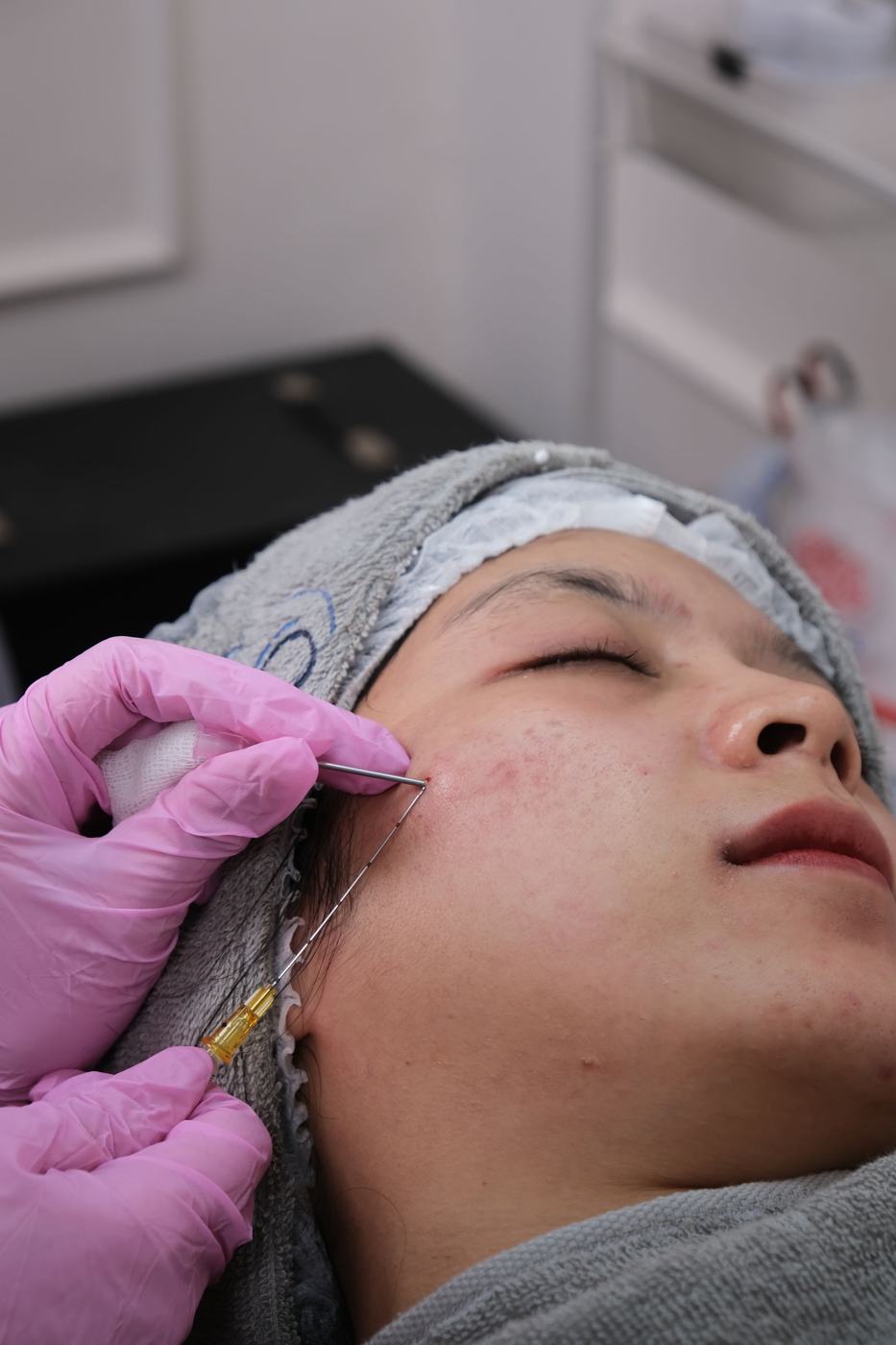
- In-clinic treatmentIf suitable, treatments such as peels or facials help clear congestion and calm skin.
- Home routineYou receive guidance on cleansing, moisturising and sun protection to support the plan.
- ReviewFollow-up visits track progress and allow your plan to be adjusted.
Quick facts
- Session time
- Consultation plus treatment visits of varying length
- Downtime
- Depends on treatment; often minimal
- Sessions
- Ongoing plan with regular reviews
- Results
- Gradual over weeks to months; varies
- Anaesthesia
- Not usually required
Possible risks and side effects
- Dryness, peeling or irritation from active ingredients
- Temporary purging as skin adjusts
- Sun sensitivity with some products
- Possible side effects of prescribed medicines, explained by your doctor
- Temporary redness after in-clinic treatments
Aftercare
- Use a gentle cleanser and a non-comedogenic moisturiser
- Apply broad-spectrum sunscreen every morning
- Avoid picking or squeezing spots
- Introduce new products gradually
- Attend review visits and report any irritation
Acne Treatment FAQs
What causes acne?
Acne usually results from excess oil, blocked pores, bacteria and inflammation, often influenced by hormones. Genetics, stress, certain products and heat or humidity can also play a part. A medical assessment helps identify your main triggers.
How long does treatment take to work?
Most plans take several weeks before clear improvement shows, and some skin may look worse briefly as it adjusts. Consistency is important. Your doctor will review progress and adjust your plan as your skin responds.
Do I need medication?
Not always. Mild acne may improve with topical products and in-clinic care, while more persistent or severe acne may need prescribed medication. Your doctor will recommend what is appropriate after examining your skin.
Can acne marks be treated?
Often yes, once breakouts are under control. Options may include peels, microneedling, laser or other skin rejuvenation treatments depending on the type of mark. Your doctor will explain what is likely to help in your case.
Can facials help acne?
Medical facials and peels can help clear congestion and support skin renewal, but they work better as part of a wider plan. Squeezing or aggressive treatments can worsen inflammation, so professional guidance is recommended.
Is acne treatment suitable for teenagers?
Yes, many teenagers benefit from early, appropriate care, which may help reduce marks later. Treatment is tailored to age and severity, and a parent or guardian is usually involved in the consultation for younger patients.
Does Dubai's climate affect acne?
Heat, humidity, sweating and frequent mask wearing can contribute to blocked pores and irritation for some people. Lightweight, non-comedogenic products and sun protection often help. Your doctor will suggest a routine suited to the climate.
Results vary between individuals. This page is general information, not medical advice. Suitability, risks and the plan are confirmed at your consultation at Fiore Medical Centre, JLT.